Child Development
Free-flow play explained: why our children choose where and what they play
Written by Anna, Nursery Manager at The Manor House Nursery
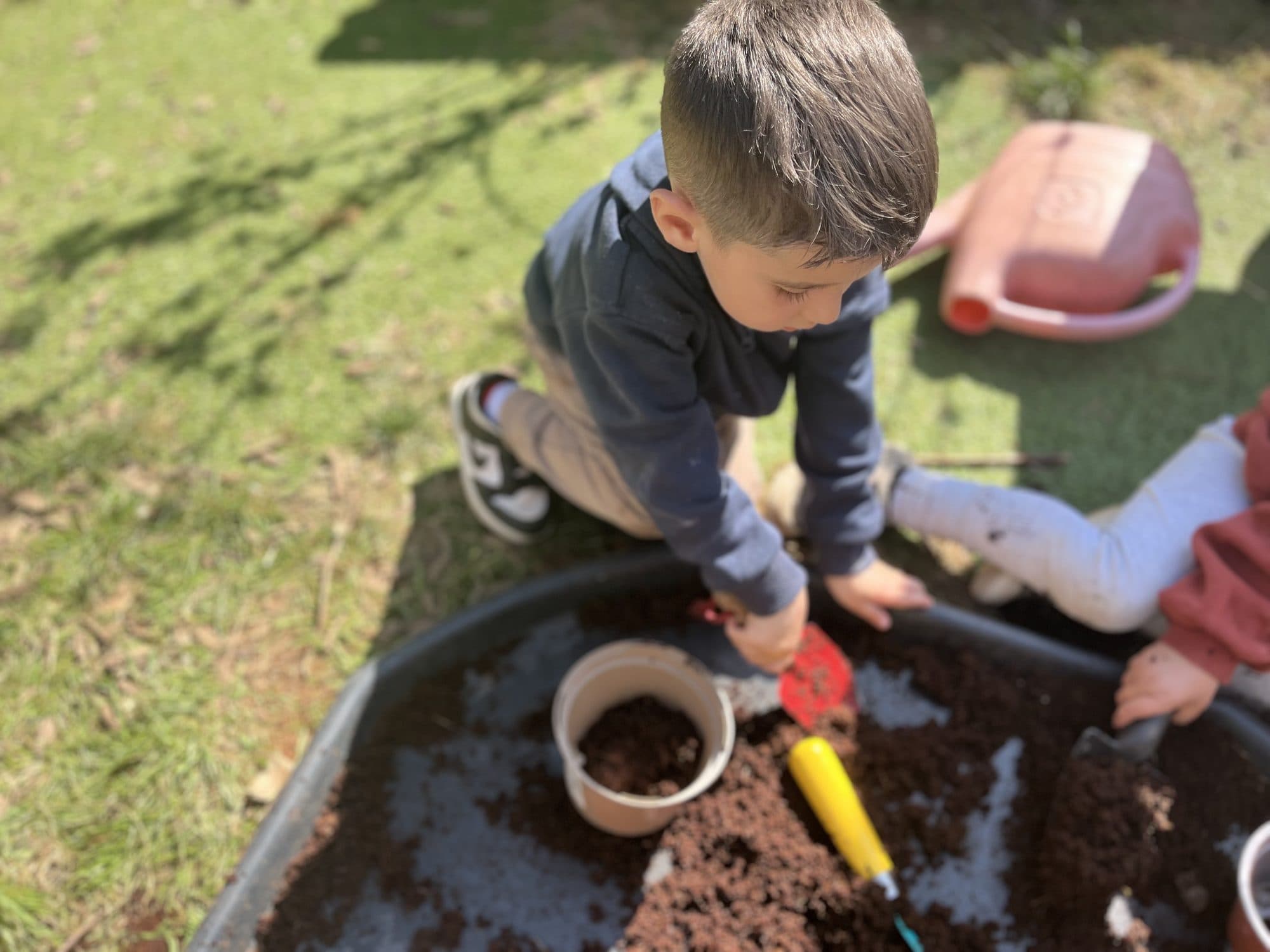
When parents look around The Manor House, one of the first things they notice is that there is no group moving from activity to activity on a timetable. Children are spread across the rooms and the garden, each doing something different, with adults alongside them. This is free-flow play, and it sits at the heart of how we work.
What free-flow play means
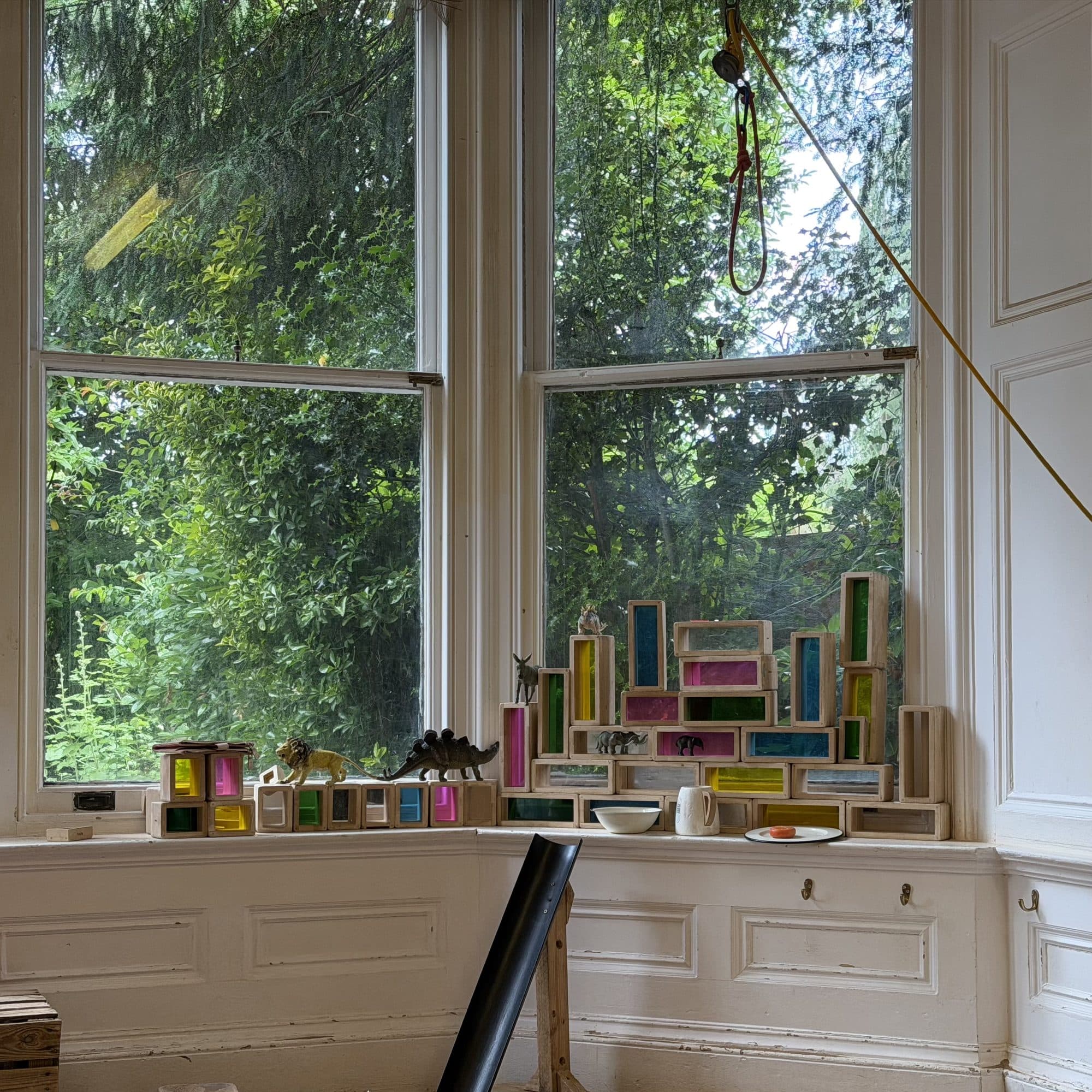
In a free-flow nursery, children choose where they play and what they play with. The rooms and the garden are set up so that everything a child might reach for is within reach, and they can move between spaces as their interest takes them. A child who wants to dig can go outside and dig. A child who wants to build can stay with the blocks for an hour if that is where their thinking is.
It is not a free-for-all. The adults plan the environment carefully, and what the children choose shapes that planning. If a group spends a week fascinated by the snails in the garden, the following week there might be magnifying glasses, books about minibeasts and clay for making their own. The children lead, and we follow and extend.
The only part of the day we deliberately interrupt is mealtimes, when everyone comes together to eat.
What the adults are doing
Free-flow play asks a lot of the adults, just in a different way to a timetable. Our team's job is to:
- Watch and listen first, to understand what a child is actually exploring
- Join in to build on what they already know, with a question, a new resource or a challenge
- Step back when a child is ready to try something for themselves
- Help them with the feelings that come with sharing, waiting and not getting it right the first time
Every child has a primary and a secondary key person, so there is always a familiar adult nearby, wherever they choose to play.
How it changes as children grow
Free-flow looks different at each age, and the house is arranged to match.
Wrens (babies). Upstairs in Treetops, our youngest children explore through their senses and their growing bodies. Freedom at this age means space to roll, crawl, pull up and reach for what interests them, with adults who know them well close by.
Sparrows (18 months to 3). Sparrows begin upstairs in Treetops and move downstairs to Woodlands at around 2 years. That move is deliberately gradual, from a calmer, sensory space to the more open, exploratory free-flow space downstairs, so the bigger choices come when children are ready for them.
Woodpeckers (3 to Reception). Downstairs in Woodlands, our oldest children move between indoors and the garden, choose their own projects and take on more responsibility, from helping to prepare snack to using real woodworking tools with an adult.
Why we believe in it
We value childhood in its own right, and we see play as the way young children learn best. When children choose their play, a few things happen that are hard to teach any other way:
- Confidence. Making real choices, and seeing them work, builds a child's sense of who they are.
- Concentration. A child following their own interest will often stay with something far longer than they would with an activity chosen for them.
- Independence. Children learn to find what they need, put it back and try again.
- Judging risk. Climbing, balancing and using tools with support teaches children to work out what they can manage for themselves.
- Getting along. Sharing space and resources with older and younger children gives endless chances to practise taking turns and working things out.
All of this sits within the Early Years Foundation Stage, so children are covering everything they need to learn. They are just getting there through what interests them.
The garden counts too
We give the outdoor space the same importance as the rooms inside. The mud kitchen, the climbing frame and slide, and the woodworking area are part of the free-flow day, not a reward or a break from learning. Outside, children meet new challenges, get curious about nature and learn a great deal about their own bodies.
What it means for your child
For many parents, the question is whether their child will cope with so much choice. In our experience, children settle into it quickly, because the adults around them help them find their feet and the environment is arranged for their age. Shyer children often find it easier, because they can start somewhere quiet and join in when they are ready.
The best way to understand free-flow play is to see it happening. Book a show-around and come and watch a normal morning at The Manor House, inside and out in the garden.
Come and see us for yourself
Book a relaxed tour of The Manor House Nursery and meet our team.
Book a tourOther guides you might like
Settling In
Settling in at nursery: how our two-week settling period works
What happens in each settling session at The Manor House, how we get to know your child before their first full day, and simple things you can do at home to help.
Tips for Parents
Funded childcare in Bristol: how 15 and 30 hours work at The Manor House
Who qualifies for 15 and 30 funded hours in Bristol, when your child can start, the code deadlines to put in your diary, and the two ways families use their hours at The Manor House.
Activities
Outdoor places for under-5s near Westbury on Trym
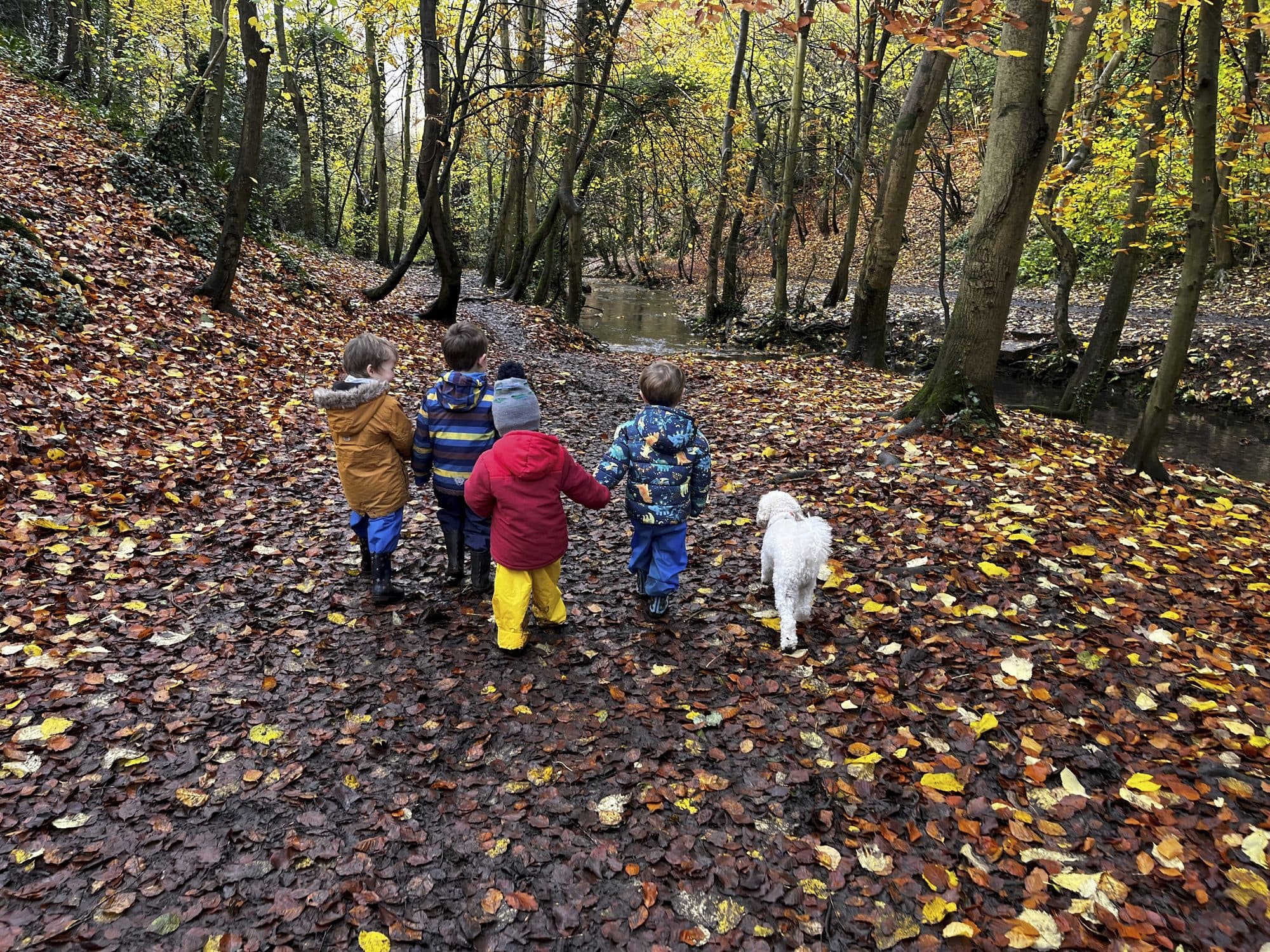
Our favourite local outdoor spots for babies, toddlers and pre-schoolers around Westbury on Trym, Southmead and Henleaze, from woodland walks to dog-free playgrounds.
Frequently asked questions
What is a free-flow nursery?
In a free-flow nursery children choose where they play and what they play with, moving between spaces rather than following a group timetable. Adults plan the environment around the children's interests, join in to extend their learning and step back to let them try things for themselves.
Does free-flow play still cover the EYFS?
Yes. Free-flow play sits within the Early Years Foundation Stage. Our team plans the environment so the learning is there to be found, and builds on what each child already knows, so children cover what they need through the things that interest them.
How does free-flow work for babies at The Manor House?
For our youngest children in Wrens, upstairs in Treetops, freedom means space to explore through their senses and their movement, with familiar adults close by. The more open free-flow space downstairs comes later, with a gradual move during Sparrows at around 2 years.
Can I see free-flow play before choosing a nursery?
Yes, and we would encourage it. Seeing a normal morning tells you far more than a description. You can book a show-around online and see the rooms and the garden while the children are busy.